Introduction
Tenkara is the art of doing more with less. This Japanese fly fishing method removes reels, heavy tackle, and excess gear, leaving you with nothing but a long rod, a fixed line, and a single fly. It originated in Japan’s mountain streams where anglers needed precision and mobility to catch trout in tight, fast-moving water. Today, it’s embraced by anglers all over the world who want to simplify their fishing experience without sacrificing effectiveness. If you’re looking to fish more mindfully and with greater connection to the water, tenkara is the perfect gateway.

1. Tenkara eliminates the reel entirely and focuses on direct control.
Instead of using a reel to manage line, you attach a fixed-length line directly to the tip of the rod. This creates a highly responsive system where every movement of your hand translates instantly to the fly. There is no drag, no stripping, and no reeling in. You simply lift, cast, drift, and lift again. It feels more like an extension of your body than a piece of tackle.
2. There are two main line types used in tenkara: level lines and furled lines.
Level lines are made of fluorocarbon and are uniformly thin, making them ideal for delicate presentations and better control in windy conditions. Furled lines, on the other hand, are braided and offer a smoother casting feel with a little more weight. Each has its advantages, and many anglers carry both to suit different waters. The key is to match the line length to your rod and the stream you’re fishing, not to distance like in Western fly fishing.
3. Tenkara rods are long and telescopic, but incredibly lightweight and packable.
Most rods extend from about 10 to 14 feet and collapse down to the size of a ruler, making them easy to carry in a backpack or sling bag. They are usually made of carbon fiber and can weigh less than three ounces, yet they are strong enough to fight aggressive trout. The extra rod length allows for better reach and natural, drag-free drifts in tricky currents. Despite their simplicity, these rods are precision tools that reward finesse and control.

4. This style of fishing shines brightest in small streams and tight, wooded environments.
Because you’re not relying on a reel or managing excess line, you can make quiet, accurate casts in areas where traditional fly rods would be awkward. You can reach across riffles, present a fly to pocket water, and fish behind boulders without moving your feet. It’s ideal for catching trout that are hiding in small, high-gradient creeks. If you enjoy exploring hard-to-reach waters, tenkara will open up a whole new world of possibilities.
5. Tenkara fishing traditionally uses only one simple fly pattern for all conditions.
The philosophy is that presentation and drift matter more than an exact match of a bug. Many anglers use the classic “sakasa kebari” reverse-hackle fly and vary how they animate it in the water. This approach reduces decision fatigue and builds confidence in your technique. Rather than focusing on fly choice, you focus on reading the water and adapting your presentation.
6. The minimalist gear setup is one of tenkara’s biggest advantages.
You can carry everything you need in a pocket-sized pouch or a small chest pack. A rod, a spool of line, a few feet of tippet, and a handful of flies is often more than enough. This makes tenkara perfect for travel, backpacking, or spontaneous trips when you don’t want to haul a full kit. It’s freeing to be able to fish without being weighed down by gear.
7. Hooking and landing a fish with tenkara requires skill and patience.
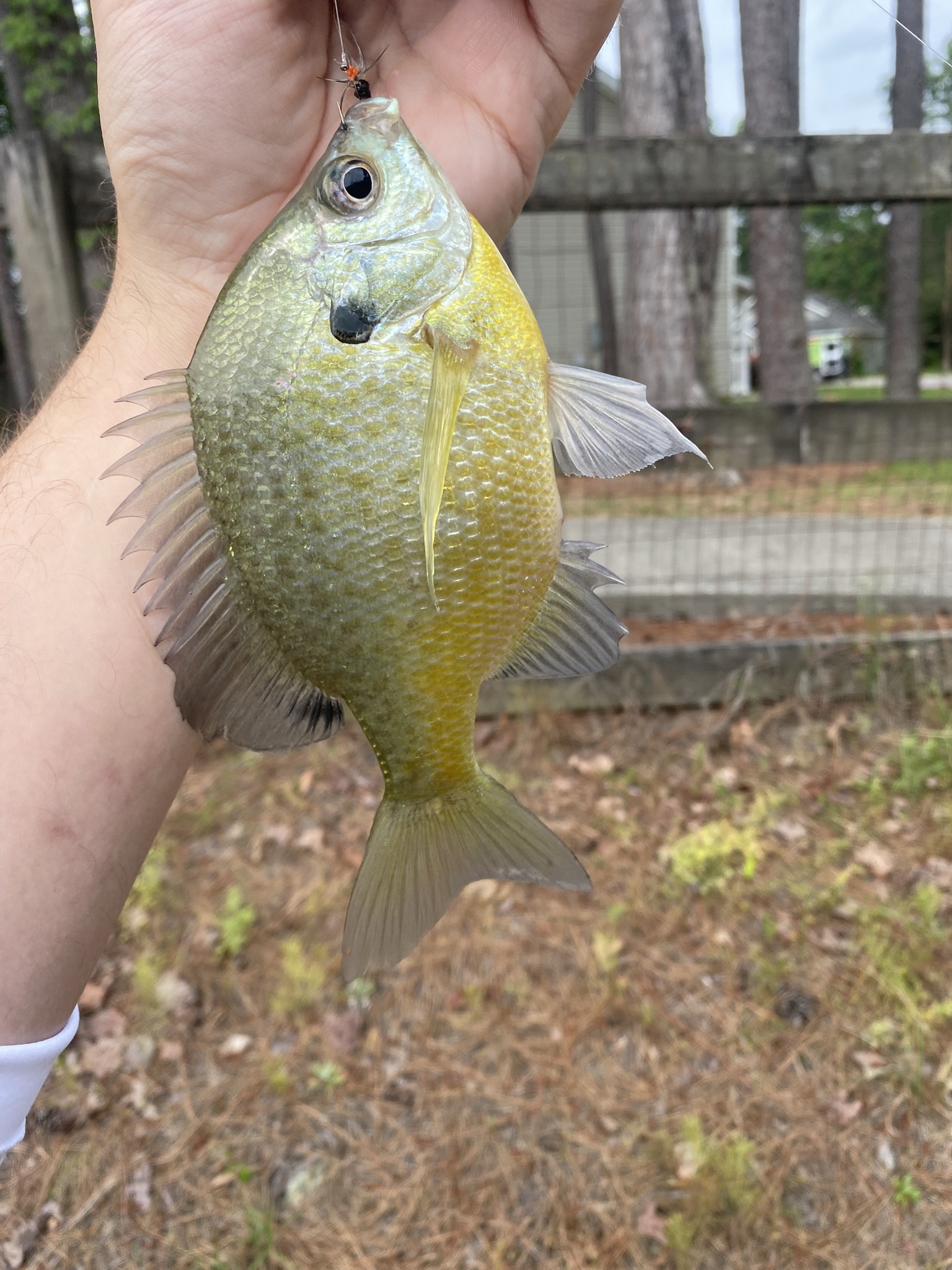
Without a reel, you control the fish by using the bend of the rod and your hands. As the fish tires, you gradually guide it toward you and hand-line it the rest of the way. This makes landing even a small fish feel more intimate and rewarding. You learn quickly that finesse and calm hands can be just as effective as drag systems and strong leaders.
8. Tenkara teaches anglers to slow down and be present in the moment.
Instead of casting long distances or constantly changing flies, you spend more time watching the water and reading currents. Every cast becomes a mindful act, and you become more in tune with your environment. Many anglers describe tenkara as meditative or therapeutic. It’s not just about catching fish — it’s about reconnecting with the experience of fishing itself.
9. Though it originated in Japan, tenkara has proven itself all over the world.
While it was developed for stream trout in the Japanese Alps, modern anglers have adapted it for everything from bluegill and bass to carp and even saltwater fish. Some enthusiasts have designed stronger rods and creative line setups for bigger species. It’s a flexible method that can be tailored to suit many environments. What started as a niche tradition has become a global movement.