Introduction
If fly fishing is poetry and bass fishing is rock and roll, then tanago (or microfishing) is bonsai — precise, minimalist, and deeply meditative. Born in Japan and obsessed with the tiniest of freshwater species, tanago fishing uses hooks so small they’d get lost in your fingerprint and rods no longer than your arm. The goal? Catch fish that would barely make a blip on a food chain — and do it with intention and finesse. Microfishing isn’t just for novelty; it’s a full-blown culture of patience, identification, and appreciation for the overlooked. Whether you’re chasing sunfish fry in a ditch or aiming for Japan’s elusive bitterling, here’s what you need to know before going small.

1. The hooks are absurdly tiny — and purpose-built.
Tanago hooks are usually size 30 to 36, smaller than most sewing needles, and often shaped to hook fish with near-zero gape. They’re designed not to pierce mouths but to lodge gently, ideal for species with mouths the size of a pinhead. It’s a surgical experience, requiring steady hands and almost no force. You’ll miss more than you hook, but that’s part of the game.
2. Species ID becomes half the fun.
When you’re microfishing, you’re not just fishing — you’re fish spotting, cataloging, and sometimes even photographing rare or unknown species. Many anglers keep “life lists,” like birdwatchers, of every microfish they’ve caught. A pond you’ve ignored your whole life might have five different species you’ve never heard of. The world gets bigger the smaller you fish.
3. Line matters — and thread is often enough.
Most tanago setups use silk thread or fluorocarbon lines thinner than human hair (like 0.1 to 0.3 PE). The idea is to keep everything feather-light to feel the tiniest takes and not spook the fish. Any tension, wind, or slack can ruin your presentation. Your drag control is your hand — there’s no reel to rely on.
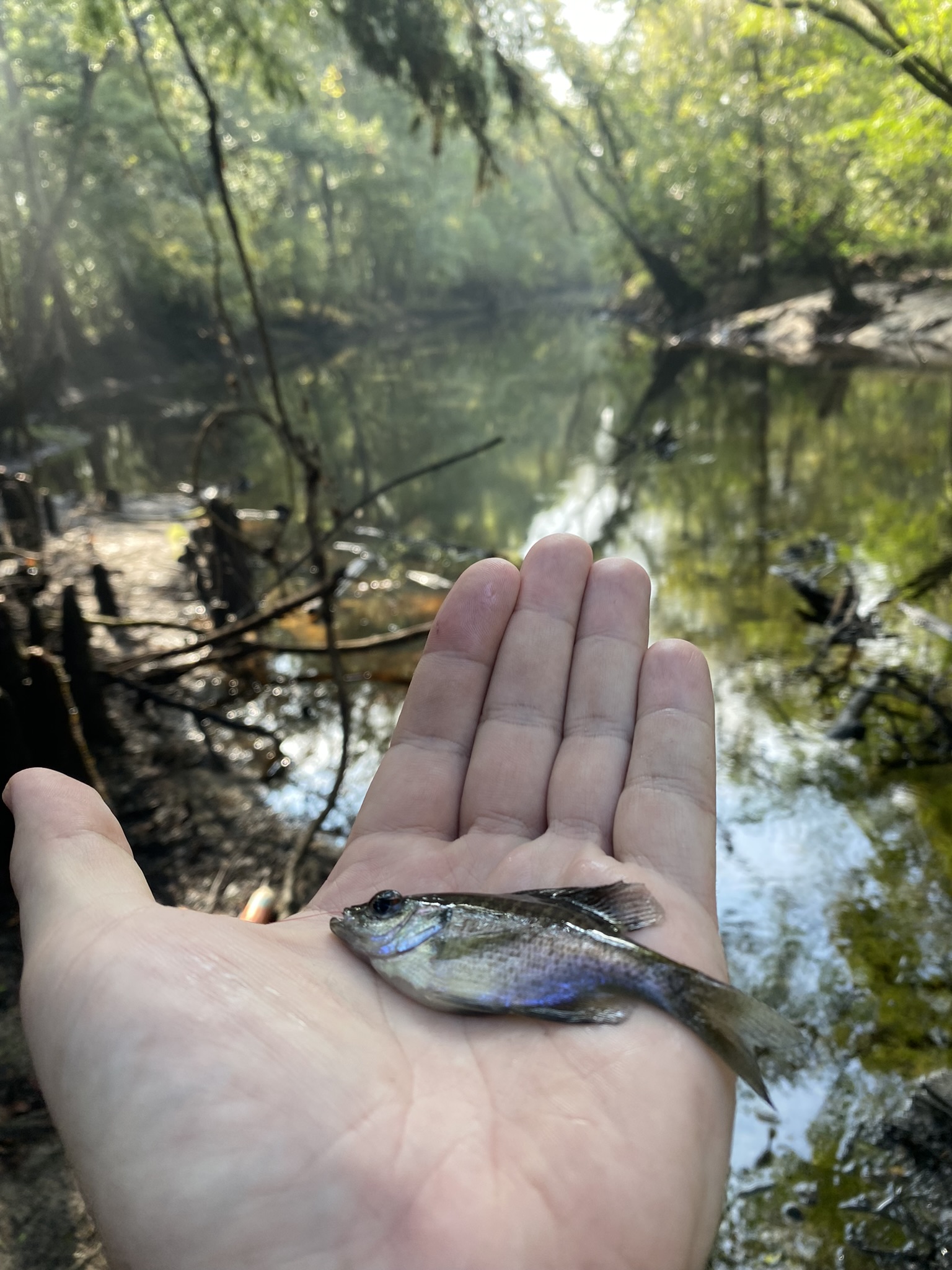
4. Rods are collapsible, feather-light, and often under 4 feet.
Tanago rods are telescoping whips — no guides, no reel seats, just an extension of your arm and intuition. Many are made from carbon fiber and weigh less than an ounce. Despite the minimalism, they’re precise tools for dipping into pockets, drains, or roadside puddles. Think of it like fishing with a magic wand.
5. Bait can be as basic as a crumb of bread or as refined as a single bloodworm.
Most micro species aren’t aggressive predators — they nibble at organics, detritus, or microscopic critters. Common baits include mosquito larvae, squashed bits of worm, or egg yolk paste. Presentation is delicate, and matching the bait size to the fish’s mouth is everything. In other words, don’t bring a crawler to a fry fight.
6. Water bodies you’d normally ignore are now gold mines.
Ditches, storm drains, ornamental ponds, runoff creeks — all these places suddenly hold potential trophies (in miniature). Microfishing rewires your brain to look for flow, cover, and life in unexpected places. Urban fishing becomes way more interesting. You’ll never walk past a puddle the same way again.
7. Catching a new species feels more rewarding than catching a big fish.
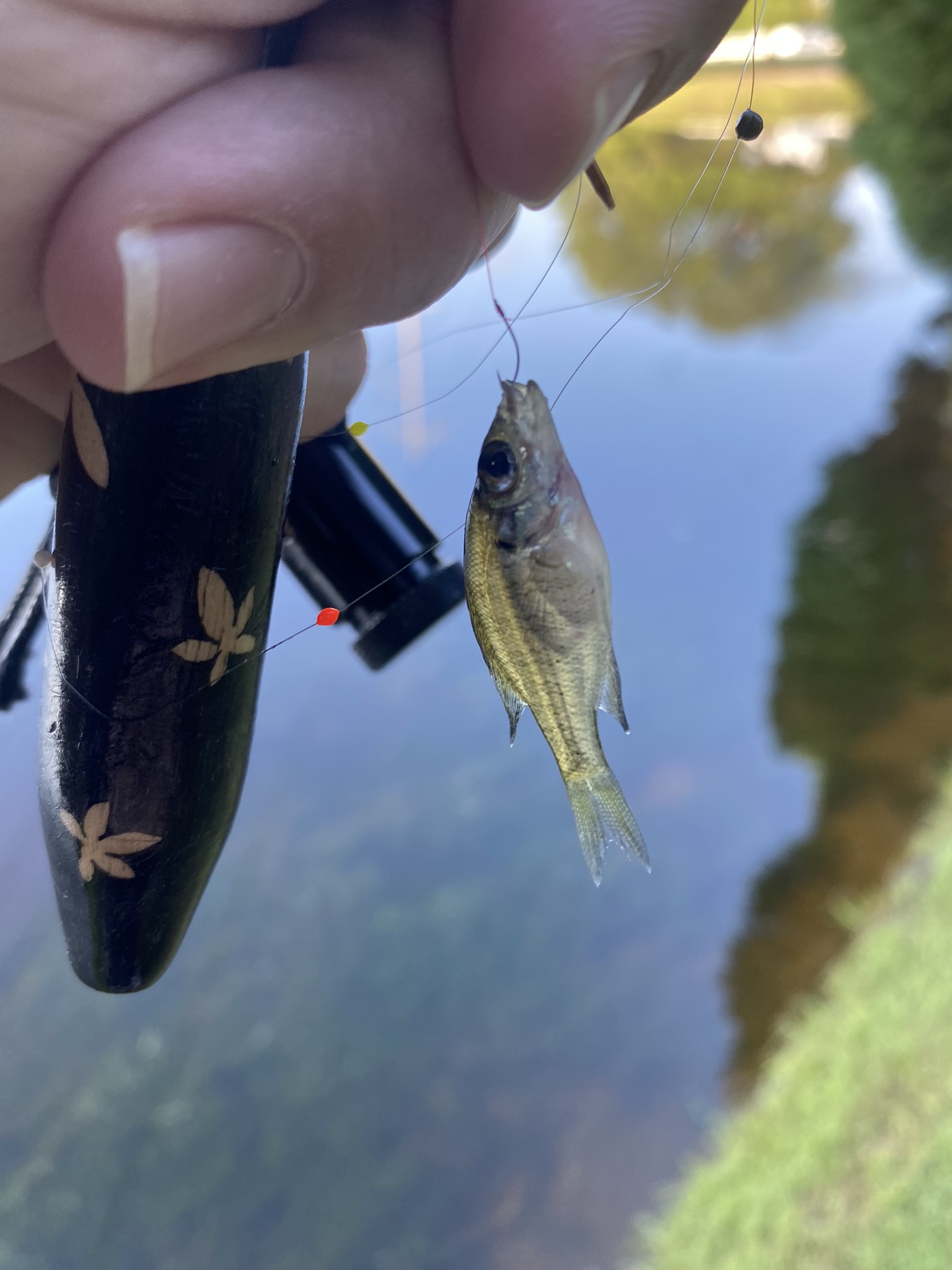
Because each fish is small, delicate, and hard to identify, every catch is an achievement — especially if it’s a native or seasonal species. The goal is often the variety, not the size or fight. Many tanago anglers take quick photos and release fish with tweezers or tiny cups. It’s a science-meets-serenity kind of reward.
8. Japan’s tanago culture is niche, but deeply refined.
There are magazines, clubs, and tackle shops in Japan solely dedicated to tanago, complete with custom rods, hooks, and gear cases. Some anglers target bitterling species that only bite during spawning season — adding a layer of rarity and timing. The aesthetic is strong: clean setups, quiet water, and a collector’s mindset. If fly fishing has its artisans, so does tanago.
9. Landing tools can be chopsticks, tweezers, or palm-sized nets.
When your quarry is less than an inch long, standard nets just won’t cut it. Many microfishermen carry tea strainers, aquarium tools, or DIY nets made from nylon mesh. Handling fish properly is key to survival and species integrity, especially when you’re fishing in sensitive ecosystems. Think of it as ethical trophy hunting — just in miniature.